
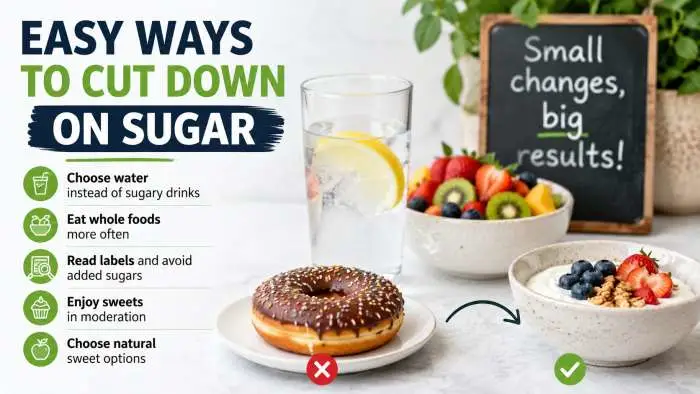
Most of us eat far more sugar than is healthy. In fact, on average, UK adults consume around 50g (12.5tsp) a day of 'free sugars' – added sugar and the sugars found in honey, syrups and fruit juices – when the recommended intake is no more than 30g (about 7tsp). A high sugar diet links with weight gain and tooth decay. The problem is that sweet things taste delicious, so trying to eat less can be pretty tricky. Nevertheless, you can achieve your goal of reducing your sugar intake with these easy-to-follow tips.
Eat whole fruit for your sugar fix
Sugars in whole fruits and vegetables generally cause less harm as they come with fibre and nutrients. Plant cells also bind them, so they're less concentrated and release more slowly. Lactose, the natural sugar in dairy, is a healthier sugar too (but many dairy products have extra sugar added, so they're not off the hook either).
You may also read :- Low Calorie Energy Drinks That Boost Energy Without Sugar
Don’t fall for the “healthier” sugar hype
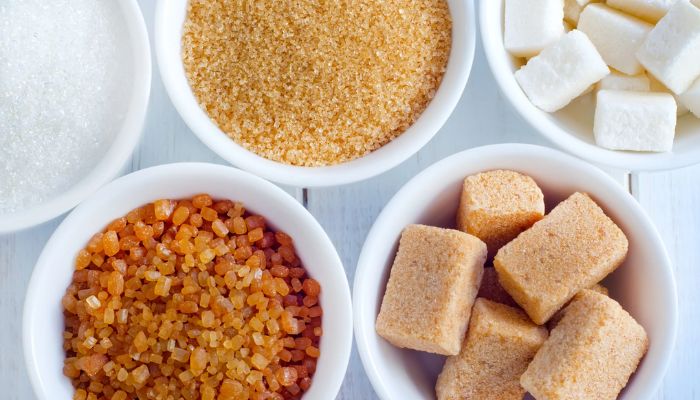
Whether it comes as granules or as syrup, it’s still a source of free sugars that can harm your teeth and ply you with extra calories. Agave syrup, rice syrup, coconut sugar and palm sugar all sound healthier by virtue of being natural. But they're still as much sugar as plain old caster or demerara.
Know your food labels
UK food labels don't break out "free" or added sugar – they only give a figure for total sugar – but you can still use a rough rule of thumb to check if you're getting too much. The NHS says a product is "high" in sugar if it has more than 22.5g of sugars per 100g and "low" in sugar if it has less than 5g per 100g. For foods with traffic lights as a guide, you should look to minimise those reds. In the US, food labels require added sugar content per serving, which makes it easier to track what you're consuming.
Go slow and steady
Small steps usually achieve more success when you’re weaning yourself off sugar. For example, if you still have sugar in your tea or coffee, reduce it by a quarter of a teaspoon every couple of days. Cut the amount of cakes, biscuits, and other sugary foods you eat equally slowly. Eventually, very sweet foods won’t taste as appealing as they once did.
Say no to sugary drinks
If there’s one source of sugar you should definitely try to ditch it's full-sugar soft drinks. One 500ml bottle of Coke contains 53g (13.3tsp) sugar, which is 1.8 times your daily limit and provides 210 empty calories. Research shows that sugar-sweetened beverages link to obesity in both children and adults.
Up your exercise
People who are physically active metabolize carbohydrates and sugar better. And a study published in 2020 also found that regularly working out reduced the desire for sweet tastes over time.
Rethink your toast toppings
Instead of spreading honey, marmalade or jam on your toast, choose a topping of peanut butter, Marmite or Vegemite. This simple swap can cut out up to 4tsp sugar (if you typically spread the average amount of honey, which is 20g or two-and-a-half level teaspoons on one slice).
Try healthy ices
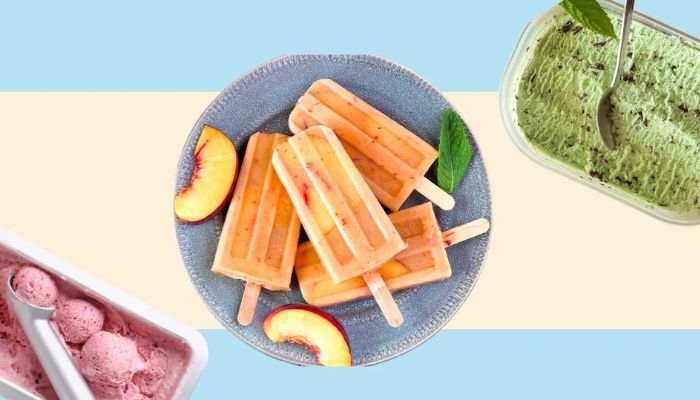
Switch sugar-laden ice cream or lollies for frozen red grapes or banana slices – whizz chunks of frozen banana in a sturdy blender to make fab one-ingredient “nice" cream too. You can also freeze watermelon chunks on sticks to make tasty no-added-sugar granita-style ice pops.
Reach for malt loaf
This lower sugar snack recommendation originates from the UK government's Change4Life campaign, which aims to get families eating healthier. A slice of malt loaf is ideal for a child’s packed lunch, and it goes down just as well with adults too. In a typical slice there are 5.4g sugars (just less than a teaspoon and a half), and the dried fruit provides some of this.
Move to the dark side
When it comes to chocolate, the higher cocoa content means the lower sugar content. If you only like milk chocolate, stick with a few squares from a solid bar, rather than filled chocolates, which can have very sugary centres.
Switch your stir fry sauce
Supermarket stir-fry sauces can pack in a pile of sugar – typically a sweet and sour or sweet chilli stir fry sauce contains 17-20g (up to 5tsp) free sugars, or two-thirds of your daily recommended limit, in a 60g serving. Plum, oyster and black bean sauces are often not much better either. A dash of reduced-salt soy sauce is a much better bet, containing only a trace of sugar.
Conclusion
Cutting back on sugar doesn’t mean you have to stop eating everything you love overnight. It’s mostly about paying a bit more attention to what you buy and making small changes you can stick with. Simple things like checking food labels, swapping out sugary sauces, and trading soda for whole fruit make a massive difference. Over time, your tastebuds adapt, your body stops craving the crazy sweet stuff, and you end up healthier without feeling like you're missing out.
FAQs
Q: What are "free sugars"?
A: It’s just the industry term for any sugar added to food or drinks when they're being made. This also includes the natural sugars found in things like honey, maple syrup, and fruit juice. It doesn't apply to the natural sugar inside a piece of fruit or a glass of milk.
Q: Why is fruit better than fruit juice?
A: Because whole fruit has fibre. That fibre slows down how fast your body absorbs the sugar. Juicing completely removes that fibre, so you're basically just drinking a concentrated shot of pure sugar that hits your system all at once.
Q: Are natural options like honey or agave syrup better than white sugar?
A: Not really. Marketers love to call them healthy because they come from plants, but your body and teeth can't tell the difference. They still cause tooth decay and add the exact same empty calories as standard table sugar.
Q: How do I read a UK label to see if something is too sugary?
A: Just look at the "per 100g" section. If the sugar number is over 22.5g, it's really high. If it's under 5g, you're good to go.
Q: Can exercise actually stop sugar cravings?
A: Surprisingly, yes. Working out helps your body process carbs a lot better. Plus, reent studies show that breaking a sweat on a regular basis physically changes your palate, making you want sweet tastes less than before.