
The present world shows signs of mapping every part of Earth because people use tags to create content. The internet provides travel hacks, which people share through endless reels and their influencer itineraries. Some islands of the world remain completely off-limits because people cannot reach them.
Some areas remain closed because their ecosystems need protection. Visitors cannot access locations because they contain dangerous elements and have historically contained dangerous elements. Some locations maintain their private status, which they have held since ancient times. The area has restricted access because it forbids all forms of entrance, which include permits and tourist passes and guided tours.
Top 8 Most Restricted Islands in the World
1. North Sentinel Island, India
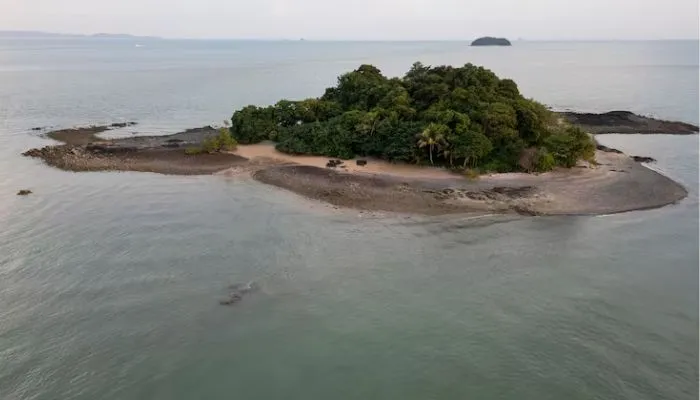
North Sentinel Island exists as an Indian territory in the Andaman Sea, which it borders with its clear blue waters. The Sentinelese people maintain their territory through active defense since they have lived there without outside contact for more than sixty thousand years. The Indian government established a five-nautical-mile exclusion zone that prevents all visitors from entering this area to safeguard their traditional lifestyle and stop potential disease transmission.
2. Niihau, Hawaii Island
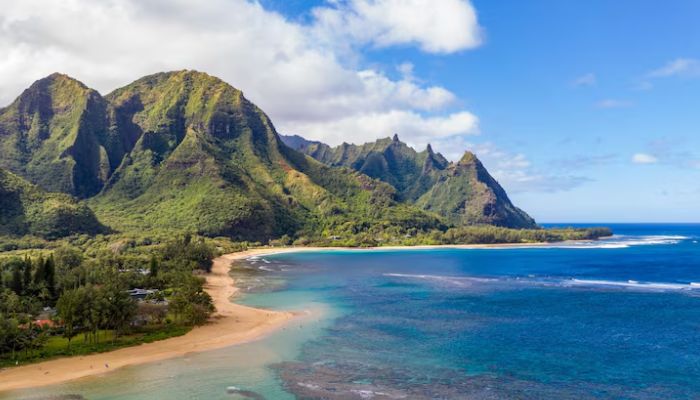
The area across from Kauai, the Hawaiian island that attracts most visitors, leads to Niihau, which locals call "The Forbidden Island." The owners of Niihau have maintained their private property since the 1860s to preserve native Hawaiian culture and language from outside interference. The location prohibits tourism, and only family members or invited guests of the owners can enter the premises while there is no construction work. The current situation will remain unchanged for the foreseeable future.
You may also read :- Ancient Engineering Marvels You Must Visit
3. Po Veglia Island, Italy
An island with a significant historical background exists in Venice's secluded lagoon area. Po Veglia served its initial purpose as a quarantine location for plague sufferers before it transformed into a psychiatric treatment facility. The island remains closed today because of both safety regulations and the existing legends about the site.
The entrance to the old buildings presents a danger because they have reached a state of complete deterioration. The Italian government maintains a complete shutdown of the area, which prohibits all forms of exploration.
4. Heard Island, Australia
You must travel extreme distances to reach this location. Heard Island exists in the southern Indian Ocean between Antarctica and Australia, which experiences freezing ocean temperatures and strong winds. The area contains glaciers and an active volcano together with pristine natural ecosystems that remain unspoiled.
Australia maintains complete public access restrictions to protect the area from human interference. The scientists with government permission to access the site face extreme conditions because the location lacks shelter and transportation and emergency support.
5. Ilha da Queimada Grande, Brazil
Snake Island has gained its reputation through its one main attraction, which consists of snakes. The site serves as the exclusive habitat for the golden lancehead viper, which ranks among the most dangerous snakes worldwide. The Brazilian Navy established a visitor ban on the island because its excessive snake population created safety hazards. Only a handful of researchers—under tight controls—are ever allowed to set foot there. The researchers who enter the area remain for only a brief period.
6. North Brother Island, New York
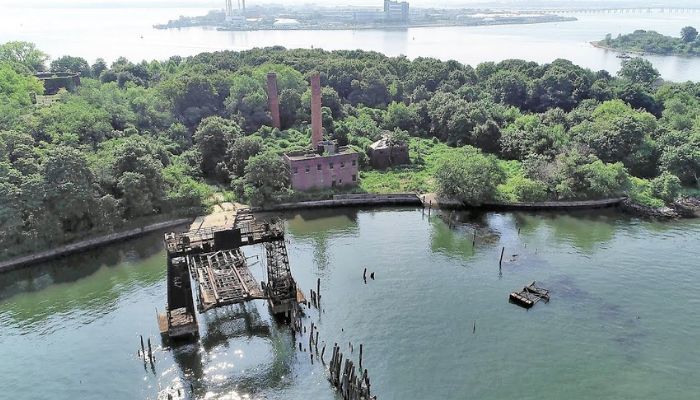
North Brother Island exists between Rikers Island and the Bronx area because it remains hidden to everyone who tries to find it. The location originally functioned as a quarantine area before it became a rehabilitation facility. The city established restricted access to the site after it had remained empty for several years.
The site remains closed because abandoned structures and endangered bird populations create dangerous conditions while preserving essential wildlife habitats. The location exists only a few minutes away from Manhattan yet remains inaccessible.
7. Fort Carroll Island, Baltimore
The man-made island of Fort Carroll Island, whose construction workers began in 1850, serves as a defense structure for Baltimore, which the Union completed during the Civil War. The island, which floods frequently, prevented its use as intended. The island, which has a hexagonal shape, functioned as an army firing range and a ship checkpoint during World War II, but the military base was finally left empty. The island has remained completely deserted and destroyed since the private owner purchased it in 1958.
8. Bouvet Island, Norway
Bouvet Island exists as a deserted volcanic island that stands as one of the most distant restricted islands directly located in the South Atlantic Ocean. 93% of the island presents a breathtaking glacier that dominates the landscape, and at its center lies an ancient volcano crater that contains frozen water.
The area becomes extremely unwelcoming because of its severe weather conditions and dangerous icy landscapes, which make human survival in the region impossible. The island presents an overwhelming natural beauty that people find impossible to deny.
Conclusion
In a world where few places remain unexplored, these eight forbidden islands prove that some corners of the Earth are still beyond our reach. Whether protected by law, isolation, or uncontacted tribes, each island exists on its own terms—not as potential tourist destinations, but as sanctuaries for wildlife, history, and indigenous cultures. North Sentinel, Niihau, Bouvet, and the others remind us that not every shore welcomes footprints.
Their inaccessibility isn't a flaw to be fixed but a feature to be respected. Perhaps the greatest adventure lies not in conquering these mysteries, but in accepting that some places are better left alone—preserved precisely because we cannot visit.