
Forget everything you read in standard glossy brochures. The global landscape shifted overnight. If you are hunting down actual safe travel destinations 2026, the true on-the-ground reality requires a brutal analytical lens. Geopolitical shifts, erratic weather crises, and local economic strains have completely blown up the old definitions of travel security.
We don't just count simple petty theft stats anymore. That's amateur hour. Today, we audit municipal infrastructure stamina, localized health grid performance, and digital surveillance grids. When we map out the safe travel destinations in the world, we watch exactly how a government handles stress in real-time. Can their hospitals handle an emergency? Do their transit networks stay fully operational after midnight? Real safety is never a fluke. It is the raw product of aggressive civic spending and uncompromising domestic policy. Let's strip away the marketing fluff and look directly at the hard data dictating security this year.
What Makes a Destination Secure?
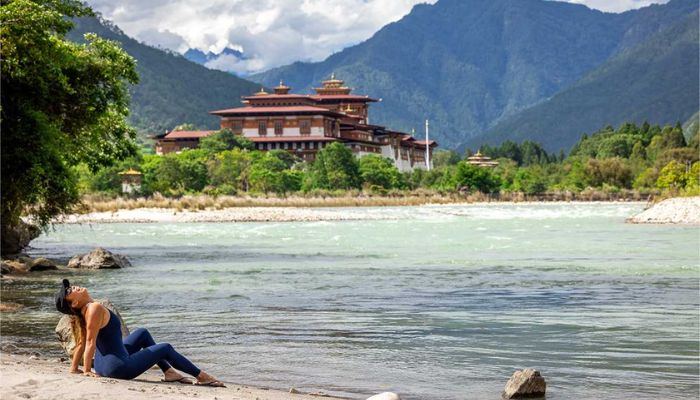
We spent months tearing apart recent city crime data, emergency rescue window timings, and health network reports. The results will surprise you. Long-time tourist havens are quietly sliding due to crumbling public infrastructure. Meanwhile, under-the-radar spots are soaring because they invested heavily in tech integration and smart urban planning. The database below cuts through the noise. It isolates the top tier of international safety performance across critical operational zones.
You may also read :- Worlds Most Powerful Passports 2026: Global Rankings Explained
Global Safety Index Ratings (2026 Mid-Year Audit)
| Country / Territory | Regional Tier | Emergency Response Window | Digital Grid Safety | Medical Emergency Grade | Real-World Risk Status |
| The Netherlands | Western Europe | Under 5 minutes | Advanced Encryption | Grade A+ | Minimal Threat |
| Australia | Oceania | Under 7 minutes | High-Tier Protocol | Grade A | Minimal Threat |
| Singapore | Southeast Asia | Under 4 minutes | Absolute Surveillance | Grade A+ | Minimal Threat |
| Austria | Central Europe | Under 6 minutes | Secure Decentralized | Grade A | Low Risk |
| Iceland | Nordic Europe | Under 6 minutes | Full Open-Source Encryption | Grade A+ | Environment Risk Only |
| Cayman Islands | Caribbean | Under 8 minutes | Standard Modern | Grade B+ | Low Risk |
| Aruba | Caribbean | Under 9 minutes | Basic Cryptography | Grade B | Low Risk |
The data points to an undeniable truth. The genuine safe travel destinations in the world share one non-negotiable trait: massive public investment. When a state funds its police forces, emergency wings, and public grids, the traveler wins. It is a direct correlation.
The Solitary Journey: Realities for Solo Women Travelers
Solo travel numbers are hitting all-time highs, but the vulnerabilities remain deeply gendered. When we look at the safest places to travel for females, we throw out generic advice. We track concrete variables: street-level illumination metrics, ride-share safety mandates, and local cultural responses to solo women.
The Western European Shift: The Netherlands and Austria
The Netherlands just took the top spot in major global travel safety rankings for a reason. It is built for absolute personal independence.
- Urban Design Mastery: Cities like The Hague and Eindhoven use smart zoning. Pedestrian paths are separated from roads, and lighting is completely dynamic based on foot traffic.
- The Transit Shield: Public trains and trams run on high-frequency schedules with active conductors and real-time camera links.
- The Cultural Climate: Street harassment faces heavy social pushback and immediate local fines. You walk without looking over your shoulder.
Austria matches this standard with pristine institutional stability. Vienna regularly sweeps livability indexes because its public squares are intensely policed without feeling like a military zone. For anyone calculating risks, these spots set the benchmark for the safest places to travel for females.
The Oceanic Fortress: Australia
Australia holds its ground at the top of safety lists due to highly aggressive biosecurity and strict gun laws.
- The Night Network: Major hubs like Sydney and Melbourne use continuous CCTV monitoring along entertainment precincts.
- The Health Safety Net: Universal emergency access means a medical crisis won't leave you stranded or bankrupt.
The only real threat here isn't human—it's geographic. The moment you leave the coastal highway strip, you enter extreme wilderness. If you break down without a satellite communicator, help is hours away. But inside urban limits, it remains one of the absolute safest places to travel for females.
Shifting Security Across the Caribbean
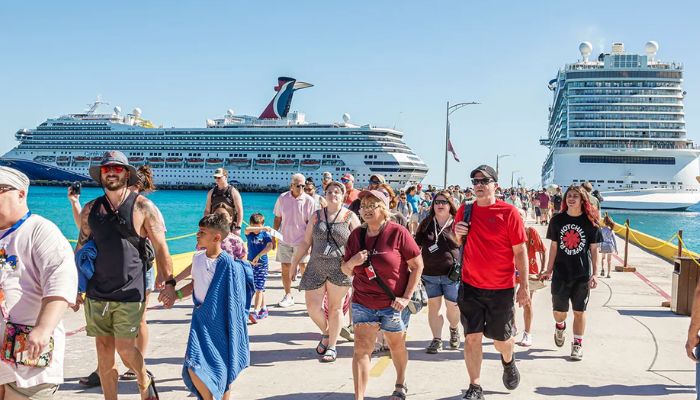
Lazy travel blogs treat the Caribbean like one single, homogeneous block. That is a massive analytical mistake. The safety profiles of these islands diverge completely based on local financial structures and police funding. If you are tracking down the safest places to travel in the Caribbean, you have to look past the white sand and examine the local treasury.
The Cayman Islands Capital Defense Strategy
Grand Cayman is a global financial juggernaut. Because the island relies on high-net-worth banking, the government treats security as its primary business asset.
- The Surveillance Shield: High-resolution camera networks track the entire length of Seven Mile Beach and the surrounding commercial lanes.
- Economic Buffers: A high local GDP per capita means you don't see the systemic, poverty-driven property crime that plagues nearby islands.
You can walk home from a late dinner at midnight completely unbothered. The entire territory functions like a highly secured, premium estate rather than a volatile tourist hub, making it an elite choice when searching for the safest places to travel in the Caribbean.
Aruba's Survival Mandate
Aruba depends on tourism for over 80% of its entire economy. If safety numbers drop, the island's revenue vanishes. The state acts accordingly.
They field a dedicated, highly visible unit called the Polis Turistiko. These officers don't sit in cars; they patrol beaches, resort rows, and downtown Oranjestad on foot and mountain bikes. They possess direct radio lines to maritime rescue and trauma units, keeping response times under ten minutes. This hyper-focused approach is the exact reason why the island dominates data tables for the safest places to travel in the Caribbean.
Breaking Down the Ultimate Safety Question
People ask us the same question daily: What is the safest travel destination? The query itself is flawed because safety is entirely subjective. What are you actually running from? Petty street crime, natural disasters, or a sudden medical emergency?
If your only goal is avoiding human conflict, Singapore takes the crown without a fight. The laws are iron-clad, and surveillance is everywhere. But if your definition of safety includes climate resilience, Singapore's low-lying coastal geography faces distinct long-term environmental hurdles.
Look at Switzerland. It offers world-class trauma care and unmatched financial stability. Yet, its alpine terrain introduces severe avalanche risks during winter transit phases.
So, what is the safest travel destination? You have to pick your poison. There is no zero-risk coordinate on this map. But for pure institutional strength and low human malice, Iceland and Switzerland routinely close out the argument for travelers demanding an answer to what is the safest travel destination?"
Tactical Security Habits for the Modern Traveler
Relying entirely on a country's low crime stats is a rookie move. Experienced travelers build their own personal security layer. The technology has evolved rapidly, and your old habits won't cut it anymore.
Hardening Your Digital Footprint
Public Wi-Fi networks at airport gates and hotel lobbies are hunting grounds for data thieves. Your banking passwords can be intercepted before your flight even leaves the tarmac.
- Cellular Segregation: Never touch free public Wi-Fi. Buy encrypted eSIM data profiles before you land and use cellular data exclusively.
- Physical Keys: Use hardware tokens for two-factor authentication on your critical accounts. Standard SMS codes are easily intercepted via international SIM-swapping operations.
- Offline Navigation: Cache your regional maps completely offline. If a storm knocks out local towers, your phone's internal GPS still works perfectly.
The Road Ahead: Future-Proofing Your Next Trip
The nature of travel safety changes fast. As we look at the evolving safe travel destinations 2026 network, the countries winning the safety race are those investing heavily in long-term resilience. They are upgrading grids to survive heatwaves and building redundant water systems to beat droughts.
When you book your next flight, look past the resort ratings. Check the infrastructure. A safe country is a resilient country. Trust the raw numbers, ignore the generic clickbait headlines, and move with intent.
Frequently Asked Questions
Where can I check for safe travel destinations 2026 updates?
Skip generic holiday blogs. Use government platforms directly. The US Department of State website and the UK Foreign Office bulletins update their databases constantly. They track local strikes, border shifts, and exact security threats on the ground.
What are the top safe travel destinations in the world right now?
Singapore, Iceland, and the Netherlands lead the pack. They completely sweep global safety indexes year after year. The reason is simple: low violent crime records, exceptional infrastructure, and emergency healthcare systems that don't buckle under stress. They remain your best bets when sorting out the actual safe travel destinations in the world.
Which are the safest places to travel for females traveling alone?
Look at Austria, Australia, and the Netherlands. These countries engineer their cities with personal security in mind. Expect high-intensity street lighting, major police and conductor presence across transit networks, and zero cultural tolerance for street harassment. If you are planning a solo trip, these are the safest places to travel for females.
What are the safest places to travel in the Caribbean for family trips?
Stick to Aruba or the Cayman Islands. Their local economies depend entirely on international finance and luxury travel, so they guard their turf aggressively. They deploy specialized bicycle units along resort lines and run top-tier medical networks, keeping them firmly rated as the safest places to travel in the Caribbean.
What is the safest travel destination for medical safety?
Switzerland takes the crown, with the Netherlands right behind it. If you have an active health issue or face an emergency abroad, you want their healthcare grids. Their response windows are incredibly tight, and their clinics use the best hardware on earth. When people ask what is the safest travel destination? for health crises, those two settle the debate.