
Travel looks completely different today than it did three years ago. The latest travel and tourism news tells one clear story. People still want to explore the world. They still dream about beaches and mountains and foreign cities. But how they plan those trips changed forever.
Safety matters more now. Money matters differently now. Flexibility became the most important travel tool anyone carries. Understanding these changes helps you avoid problems and enjoy your time away from home. The information here comes from real traveler experiences and industry data collected over the past twelve months.
What the Latest Travel and Tourism News Means for Your Summer Plans
The latest travel and tourism news shows summer 2026 shaping up differently than previous years. Europe expects large crowds again but with changes. Greece and Italy prepare for visitors while managing numbers better. Spain expands tourist zones beyond Barcelona and Madrid. Portugal welcomes more Americans than ever before.
Booking patterns shifted significantly. People wait longer to book flights. They watch prices drop before committing. They book hotels with free cancellation. They remain ready to change plans if situations shift. This flexibility costs nothing but provides peace of money.
Money Matters Making or Breaking Trips Right Now
Hotel Prices Climbing Faster Than Expected
Hotel rooms cost more almost everywhere. Basic rooms in Paris now run three hundred dollars per night. Decent rooms in London approach four hundred. Even budget destinations saw increases. Mexico hotels raised rates fifteen percent last year alone.
But here is what experienced travelers discovered. You can still find deals by looking in the right places. Neighborhoods just outside tourist centers offer better prices. A room in Montmartre costs less than a room near the Eiffel Tower. A hotel in South Kensington costs less than one near Buckingham Palace. Walking fifteen minutes saves one hundred dollars per night.
You may also read :- Worlds Most Powerful Passports 2026: Global Rankings Explained
Flight Prices Requiring New Strategies
Airfare follows different patterns now. The old rules about Tuesday afternoon bookings no longer apply. Airlines use complex computer systems that adjust prices constantly. Prices change based on how many people search specific routes. They change based on time of day. They change based on your location when searching.
Travelers developed new strategies that work. They search in incognito browser windows. They clear cookies between searches. They check prices at different times of day. They compare multiple airlines serving the same route. They consider nearby airports. Flying into Newark instead of JFK saves money. Landing at Gatwick instead of Heathrow saves money.
The latest travel and tourism news from airline industry reports shows continued price increases. Fuel costs remain high. Labor costs increased. Airplane maintenance costs climbed. These expenses pass directly to passengers through ticket prices.
Where People Actually Travel Right Now
Southern Europe Holding Strong
Greece remains incredibly popular. The islands fill up during summer months. Santorini hotels book months ahead. Mykonos attracts the wealthy crowd. But smart travelers discovered alternatives. Milos offers similar beauty with fewer tourists. Naxos provides authentic Greek island life. Crete delivers history and beaches without overwhelming crowds.
Italy draws crowds year-round. Rome feels crowded always. Florence struggles with visitor numbers. Venice manages with new entry fees. Travelers now explore lesser-known regions. Puglia offers stunning coastline. Umbria rivals Tuscany without the crowds. The Dolomites attract hikers and nature lovers.
Asia Fully Open and Welcoming Visitors
Japan leads Asian tourism recovery. The weak yen makes everything affordable. Luxury hotels cost moderate prices. Fine dining costs reasonable amounts. Shopping bargains attract serious buyers. Visitors report amazing experiences across the country.
Thailand welcomes tourists back warmly. Phuket recovered completely. Bangkok buzzes with energy. Chiang Mai offers mountain scenery and culture. The islands of Koh Samui and Koh Phi Phi attract beach lovers. Thai food delights everyone who visits.
South America Offering Adventure and Value
Colombia transformed into a must-visit destination. Medellin changed from dangerous city to travel favorite. The weather stays perfect year-round. The people welcome visitors warmly. The food surprises with variety and quality. Cartagena charms with colonial beauty and Caribbean energy.
Argentina attracts visitors seeking European feel with South American prices. Buenos Aires feels like Paris but costs half as much. Wine regions rival anywhere in the world. Patagonia offers stunning natural beauty. The people stay up late and eat well.
Safety Concerns Affecting Travel Decisions
Government Warnings Matter More Now
Travelers check State Department advisories before booking anything. Level one and two destinations attract visitors. Level three and four destinations lose business quickly. Insurance companies follow these advisories too. Many policies exclude coverage for level four destinations.
Mexico remains popular despite advisories. Most tourist zones stay safe. Resorts maintain strong security. But travelers avoid certain states completely. They research specific destinations carefully. They stick to well-traveled areas. They use resort transportation rather than local taxis.
Travel Insurance Becoming Standard Practice
Travel insurance used to feel optional. Not anymore. Sales increased dramatically last year. Travelers want protection against things going wrong. They want coverage for medical issues. They want reimbursement for trip cancellations. They want help if they need evacuation.
Good policies cover more than people realize. They cover medical treatment in other countries. They cover emergency transportation back home. They cover trip interruptions due to weather. They cover lost luggage and delayed bags. They provide twenty-four hour assistance hotlines.
Technology Making Travel Easier and Harder
Apps Every Traveler Needs Now
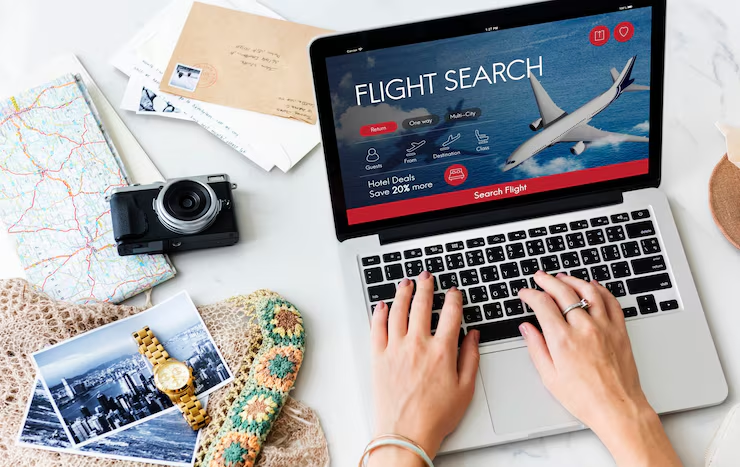
Your phone handles almost everything now. Mobile boarding passes eliminate paper. Hotel apps unlock your room door. Translation apps help you communicate. Map apps guide you anywhere. Payment apps work worldwide. But you need the right apps installed before departure. Google Maps works everywhere but downloads offline maps help when signals fail. Google Translate handles most languages.
XE Currency converts prices instantly. WhatsApp lets you message internationally for free. Uber or Lyft work in many countries. Airline apps send real-time updates about delays and gate changes. Hotel apps let you request extra towels without calling the front desk. Restaurant apps show menus and take reservations. Train apps show schedules and sell tickets.
AI Tools Helping With Trip Planning
Many travelers now use AI tools for initial trip research. These tools suggest destinations matching your interests. They build itineraries based on your available time. They find restaurants matching your dietary needs. They identify activities suitable for your travel style.
The tools save hours of browsing travel blogs. They present options in organized ways. They consider factors you might overlook. They help create balanced daily schedules. But experienced travelers verify everything AI suggests. They check recent reviews.
They confirm operating hours. They ensure attractions remain open. They verify that suggested routes actually work. AI helps with ideas but human judgment makes final decisions.
Sustainable Travel Moving Beyond Buzzwords
What Green Travel Actually Means
Sustainable travel evolved into something real. It now means specific choices with measurable impacts. It means choosing hotels with verified environmental certifications. It means supporting local businesses rather than international chains. It means respecting local cultures and customs. It means minimizing waste and resource use.
Hotels display their sustainability credentials prominently. They show energy efficiency ratings. They explain water conservation programs. They describe waste reduction efforts. They highlight local food sourcing. These details help travelers make informed choices.
Travelers increasingly choose options based on sustainability. They pay more for eco-certified hotels. They choose tour operators supporting conservation. They avoid activities harming animals or environments. They want their travel money supporting positive outcomes.
Overtourism Solutions Finally Working
Popular destinations struggled with too many visitors for years. Venice felt overwhelmed. Barcelona residents complained. Amsterdam quality of life suffered. The experience for visitors deteriorated. Solutions now show real results. Venice charges day-trippers an entrance fee.
Amsterdam reduces cruise ship arrivals. Barcelona limits new hotel construction. Machu Picchu requires guided tours with timed entry. These measures spread visitors more evenly.
Travelers now embrace alternatives willingly. They visit during shoulder seasons instead of summer. They explore nearby towns instead of main cities. They arrive early morning or late afternoon. These small adjustments improve everyone's experience.
Transportation Changes Affecting Every Trip
Airlines Adjusting to New Realities
Airlines constantly adjust routes based on demand. They add flights to popular destinations. They reduce service to struggling markets. They change aircraft based on passenger numbers. They adjust schedules throughout the year.
Pricing algorithms grow more sophisticated daily. Prices change constantly based on demand and competition. The idea of a single best booking day no longer holds true. Flexibility matters more than specific timing. Low-cost carriers expand their networks continuously.
They now serve routes once dominated by legacy airlines. They offer competitive prices forcing everyone to adjust. Flight segments replace direct flights for many routes. This saves money but costs time.
Train Travel Gaining Popularity Again
Europe leads train travel revival. High-speed trains connect major cities efficiently. Paris to Lyon takes two hours. Madrid to Barcelona takes two and a half. Rome to Florence takes one and a half. These trains beat flying for city center to city center travel.
Night trains return to popular routes. Sleep while traveling between cities. Wake up at your destination. Save hotel costs for one night. Experience train travel nostalgia with modern comfort. Amtrak expands service in the United States gradually.
New routes appear. Old routes improve. Ridership increases each year. The Northeast Corridor remains busy. Long-distance trains attract leisure travelers seeking alternatives to flying.
Accommodation Options Expanding
Hotels Evolving to Meet New Expectations
Hotels changed significantly over recent years. Lobbies now function as co-working spaces. Restaurants serve locals as well as guests. Rooms include workspaces with proper lighting. Wi-Fi matches or exceeds home connections.
Boutique hotels attract travelers seeking personality. Each property feels unique. Design matters. Local character matters. Staff know the area well. They recommend genuine local experiences. They remember returning guests. Extended stay properties gain popularity steadily.
Kitchenettes allow meal preparation. Separate living and sleeping areas create comfort. Laundry facilities simplify longer trips. These properties suit remote workers perfectly.
Short-Term Rentals Maturing as Options
Vacation rentals evolved significantly. Professional managers now handle most properties. Standards improved dramatically. Consistency increased across properties. Safety features appear in every unit. But regulations increased too.
Cities restrict rentals to protect housing stock. They require host registration. They limit rental days per year. They enforce safety standards strictly. Travelers verify that booked properties comply with local laws.
Practical Tips for 2026 Travelers
Documentation Requirements You Cannot Ignore
Passport rules remain strict everywhere. Your passport must remain valid for six months beyond your planned return date. Some countries enforce this strictly at borders. They deny boarding to passengers with expiring passports. Check your expiration date before booking anything.
Visas matter more than ever before. Countries add and remove visa requirements regularly. Electronic travel authorizations become common. These online systems pre-approve travelers before departure. They cost less than traditional visas. They require advance planning.
Health Preparations Still Required
Vaccination requirements vary by destination significantly. Some countries require yellow fever vaccination for travelers arriving from certain regions. Others recommend hepatitis A and typhoid vaccines. Malaria prophylaxis matters for specific areas.
Travel health kits include basics always. Prescription medications in original containers. Pain relievers and fever reducers. Antihistamines for allergic reactions. Anti-diarrhea medication for stomach issues. Bandages and antiseptic for minor injuries. These items provide security when pharmacies are closed.
Where Travel Heads Next
The latest travel and tourism news points toward continued growth with important changes. Travelers seek meaningful experiences over passive sightseeing. They value authentic connections with places and people. They prioritize safety while maintaining adventurous spirits.
Technology will continue removing friction from travel. Booking will grow simpler. Information will grow more accessible. Communication barriers will continue falling. These improvements make travel easier while preserving discovery magic.The desire to explore remains fundamental to human nature.
People will keep traveling despite challenges. They will adapt to changing conditions. They will find new destinations and rediscover old favorites. They will create memories lasting lifetimes.
Frequently Asked Questions
What destinations offer the best value this year?
Japan provides exceptional value due to favorable exchange rates right now. Argentina and Chile offer luxury experiences at budget prices. Portugal costs less than other Western European countries. Vietnam and Indonesia stretch travel dollars remarkably far.
How early should I book flights for summer?
Book summer international flights three to six months ahead. Domestic flights work well two to three months ahead. Monitor prices after booking. Airlines sometimes adjust prices. You can rebook at lower rates if prices drop.
Is travel insurance really necessary now?
Yes. Medical emergencies abroad cost thousands. Trip cancellations cost thousands. Lost luggage disrupts trips badly. Evacuations from remote areas cost tens of thousands. Insurance covers these risks for relatively small premiums. The peace of mind justifies the cost completely.
What should I do if my flight gets cancelled?
Stay calm and contact the airline immediately through their app or customer service line. Know your rights under relevant passenger protection rules. Ask about rebooking on partner airlines. Request meal and hotel vouchers if delays extend overnight. Document everything that happens.
How do I find authentic local experiences?
Talk to local people wherever you go. Ask hotel staff where they eat on days off. Visit neighborhood markets early in the morning. Take cooking classes taught by local cooks. Hire guides through reputable local companies. Walk residential areas away from tourist zones. Say yes to reasonable invitations from friendly people.