

Huge new 'energy drink' could spark a ban due to high caffeine intake. Health officials in the US have joined calls to ban the eye-popping new energy drink PRIME from shops. The incredibly popular 12oz can (330ml) of the drink contains 140mg of caffeine - nearly the same amount as two cans of Red Bull, and almost six cans of cola. Schools in Britain and Australia have already banned Prime, made famous by Logan and Jake Paul, over concerns about heart problems, heart disorders, heart conditions, anxiety, and digestive conditions.
Alcohol and Energy Drinks
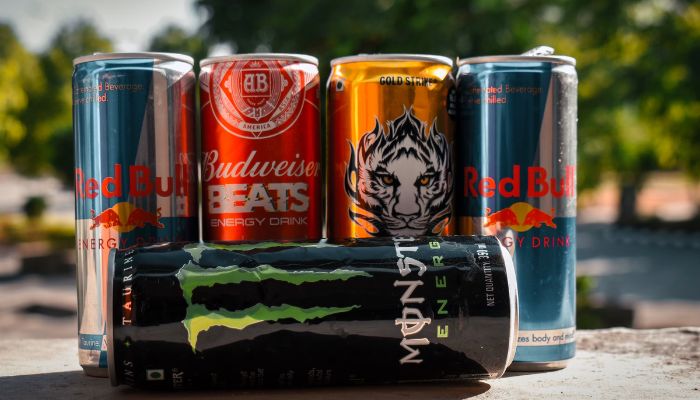
While some alcoholic beverages might ease you into sleep or send you off to slumberland with a glass or two of wine or a nightcap, read here for reasons not to drink alcohol, especially on a night out. Although alcohol may effectively cause drowsiness, it interferes with our natural sleep cycle later in the night.
Therefore, drinking too many beers or glasses of wine before bedtime may not ensure healthy, refreshing sleep, including restorative REM sleep and deeper levels of sleep. Consuming alcoholic drinks does not necessarily relax every muscle in the body, although that might be one appealing reason. Alcohol worsens existing snoring conditions, such as sleep apnea.
You may also read :- Healthy Low Calorie Coffee Recipes for Weight Loss
Heavy Foods
Food that feels like it’s coating your stomach actually stays in there longer as it goes through a digestion cycle. Fat-laden food, cheeses, and anything fried often lead to heartburn and can rob you of sleep. Best avoided near bedtime: cheeseburgers, French fries, any kind of fried food, massive steaks.
Caffeine facts to know
This article is going to highlight foods and drinks we didn't know were so full of caffeine. Most of us can’t seem to survive without our daily caffeine and a majority of us drink our coffee on a regular basis! In fact, 62% of all us humans drank their coffee that very morning, and Brits managed to get their hands on 98 million of them every single day; that’s enough to make you run for your morning run even on a lazy Sunday. The coffee bean provides caffeine, an excellent stimulant, but is it safe for us to consume this large amount each morning?
Health experts suggest that healthy adults shouldn't eat over 400mg of caffeine each day or roughly four cups of these much-loved beverages, which, as I am sure you all appreciate, can cause insomnia, hearts to flutter, and general anxiety. Therefore, there has never been a better reason to check out this list of foods and drinks that also feature a significant dose of the stimulant.
Decaffeinated coffee
Contrary to the name Decaf – yes, it does have caffeine in! To take out the majority of caffeine, manufacturers lose 97 percent, but still, there's 2mg per cup in your decaf, to be exact. "Coffee contains plenty of antioxidants and also important micronutrients, such as magnesium, to reap health benefits that even decaffeinated coffee will not lose out on," says Dr. Simon Laubscher, formulator of WelleCo and Rejuv Wellness.
Black tea

We drink a staggering 100 million cups of tea each day to quench the thirst of thirsty Brits; tea is actually the second most popular drink worldwide, after just water. As researchers also think that black tea contains anti-oxidising flavonoid compounds that might ward off disease and provide benefits, tea comes with an extra kick: a mug of tea contains roughly 14mg to 61mg of caffeine (the longer you allow it to brew for, the higher the amount). On average, a cuppa contains about 47mg of caffeine.
Chocolate
Whether you get any kind of “natural high” from chocolate is largely due to the caffeine content, but not just any caffeine: of cocoa the chocolate. You’ll find around 21mg of caffeine in 100g of milk chocolate. The same amount of dark chocolate (70 to 85% cocoa solids) has 80mg, and white chocolate (made with cocoa butter) has none at all. “Natural caffeine foods can provide real benefits that no foods have when artificial caffeine has been added to improve their “power-rating,” she explains. “For example, dark chocolate is a source of copper, fibre, manganese and iron.”
Green tea
Another wonder-tea, green tea is rich in the mighty antioxidant, EGCG, that dietitians say could even enhance your brainpower, fight off illness. It does, however, contain caffeine – but significantly less than coffee, or a typical cup of black tea that has been freshly brewed. Much like its black counterpart, how much you get will vary greatly depending on your choice of leaves and steep time; it will usually sit in the 35 to 80mg range.
Conclusion
Understanding what goes into your body is essential for protecting your sleep, heart health, and overall well-being. From trendy, highly caffeinated energy drinks like PRIME to everyday staples like coffee, black tea, and even dark chocolate, caffeine often sneaks into diets in surprising amounts. Combined with nighttime habits like drinking alcohol or eating heavy, fat-laden foods, these dietary choices can quietly disrupt natural sleep cycles, worsen digestive issues, and fuel anxiety.
By paying closer attention to ingredient labels, moderating overall caffeine intake, and timing meals mindfully before bed, you can enjoy your favorite foods and beverages without sacrificing restorative rest and long-term health.
Frequently Asked Questions
What is the recommended daily limit for caffeine consumption?
Health experts generally recommend that healthy adults consume no more than 400mg of caffeine per day, which is roughly equivalent to four standard 8oz cups of brewed coffee. Exceeding this amount can trigger insomnia, heart palpitations, rapid heart rate, digestive distress, and heightened anxiety.
Does decaffeinated coffee contain any caffeine?
Yes, decaffeinated coffee is not completely caffeine-free. The decaffeination process typically removes about 97% of the caffeine, leaving around 2mg of caffeine per cup. However, decaf still retains beneficial antioxidants and essential micronutrients like magnesium.
Why is drinking alcohol before bed bad for sleep?
While alcohol can initially act as a sedative and cause drowsiness, it severely disrupts natural sleep architecture later in the night. It prevents the body from reaching deeper, restorative stages of sleep (such as REM sleep) and can worsen sleep disorders like snoring and sleep apnea by over-relaxing throat muscles.
Which foods should be avoided close to bedtime to prevent poor sleep?
Avoid heavy, fatty, or fried foods—such as cheeseburgers, French fries, and large steaks—near bedtime. These foods take longer to digest and can cause acid reflux or heartburn, both of which disturb restful sleep.
How does caffeine content compare between dark chocolate and milk chocolate?
Dark chocolate contains significantly more caffeine than milk chocolate because of its higher cocoa content. A 100g serving of dark chocolate (70–85% cocoa) contains around 80mg of caffeine, compared to only about 21mg in milk chocolate. White chocolate contains no cocoa solids and is entirely caffeine-free.